
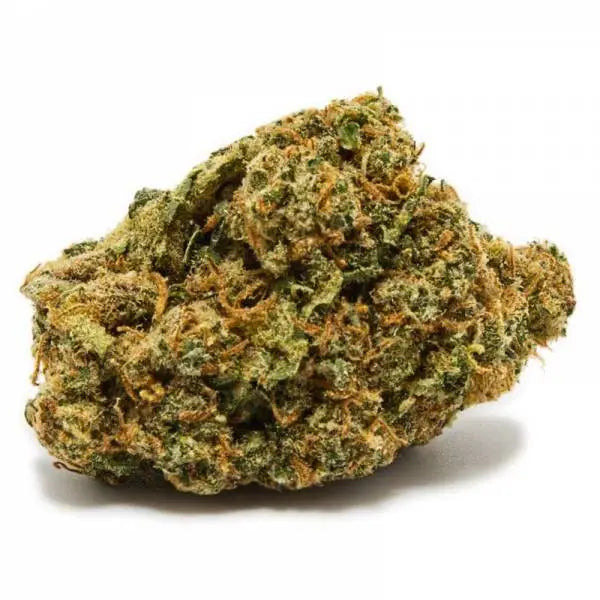
Banana Kush
Banana Kush CBDFlower Tea: Phytochemistry, Culture and Botanical Identity
Banana Kush CBD Flower Tea is a phrase made up of three key components: a strain of hemp (“Banana Kush”); the cannabinoid known as cannabidiol (CBD); and the centuries-old analog method for preparing plants in a heated water infusion. Instead of being used as a descriptor for an actual commercial product, the term captures how plant genetics natural chemistry, and cultural practices all meet in contemporary herbalism.
The concept behind all of this is simple if you start by considering the plant.
Botanical Representative: Banana Kush As other reviewers stated, this is a scouting claim and not a definitive fact.
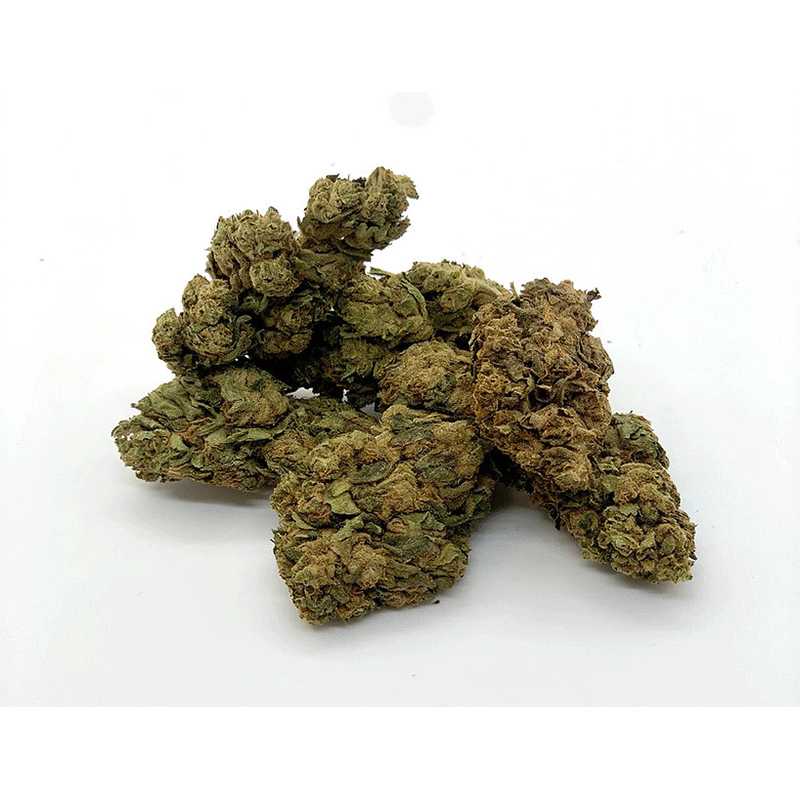
“Banana Kush” is the name originally given to a first-rank cannabis hybrid variety that was notable for its fruit-likenot aroma. When it comes to CBD flower, however, plant actually refers to strains of hemp that have been specifically bred down so that they are low in THC and relatively high in issue. These hemp varietals may have olfactory characteristics in common with their THC-dominant relatives, yet are legally defined as non-psychoactive in most jurisdictions.
Botanically speaking, plants of the Banana Kush hemp type look like typical cannabis: they are statura media (medium-statured) featuring wide leaves and flower clusters. Tiny trichomes cover the flowers and leaves of the cannabis plant — under the microscope, they look like stunted mushrooms. It is these trichomes that are most involved in the plant’s chemistry, and where all of its high concentrations of THC can be found.
CBD and Plant Chemistry
CBD, short for cannabidiol, is one of thousands of compounds known as cannabinoids found in hemp plants. _ It does not cause the high typically attributed to THC. In the context of plant biology, cannabinoids are considered to be part of a plant’s defense system. They provide protection against insects, UV light and environmental stress.
CBD is one of many cannabinoids, or molecules produced uniquely by the cannabis family. When people talk about “CBD flower,” they mean the dried flowering tops of hemp plants that have this natural chemical profile.
In academic research, CBD possesses the molecular structure, it interacts with biological systems and its concentration varies depending on genetics, soil type, light exposure during growth and timing of harvest. It is primarily these scientific factors which can help to explain why certain hemp strains are grown for their chemistry and not fibres or seeds.
The Impact of Terpenes And Aroma
Banana in Banana Kush refers to the distinctive cheeky fragrance. This smell isn’t so much from flavoring as it is naturally present terpenes in the plant. Sweet, fruity, earthy or slightly spicy terpenes such as myrcene, limonene and caryophylene play a part.
In reality, terpenes do many things in nature: repel pests, lure beneficial insects and assist plants adapting to stress. In hemp, they are additionally blog the sensory signature distinguishing one cultivar from another. Banana Kush —type plants have a characteristic tropical, banana-like smell due to its terpene profile.
Traditional Uses of Tea as Plant雅黑Superview Preparation
For those of you who are skeptical, tea refers to the traditional method of soaking plant material in hot water and extracting its natural compounds. Across many cultures, herbs, flowers, roots and the like have been steeped as teas for thousands of years — not only for taste but also as part of ritual, wellness traditions and everyday life.
From a botanical perspective, you are extracting a plant in water rather than alcohol or oil and that qualifies as tea. Some substances dissolve in the liquid so their scent and plant compounds can be experienced gently (or less even though you are getting a powerful dose). Making a tea has for centuries been one of the most accessible ways to interact with medicinal and aromatic plants by humans.
When talks turn to CBD flower tea, the word you’ll hear most is the idea of using hemp flowers as an herbal tisane, rather than any one particular commercial application. This is indicative of a general interest in plant-based traditions and how contemporary cultivation relates to ancient applications.

Be the first to review “Banana Kush CBD Flower Tea”
Related products
Flower & Bud
Flower & Bud
Flower & Bud
Flower & Bud
Flower & Bud
Flower & Bud
Flower & Bud
Flower & Bud
Reviews
There are no reviews yet.